
Medical Shoes: Comfort and Protection for Long Working Hours
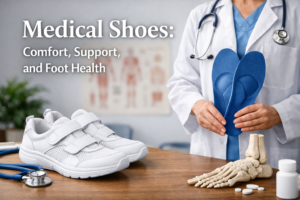
Medical shoes are not just regular footwear. They are designed for people who spend long hours on their feet, especially in demanding environments like hospitals, clinics, laboratories, and care centers. Doctors, nurses, technicians, and support staff rely heavily on proper footwear to stay comfortable and focused throughout the day.
In healthcare settings, the wrong shoes can cause foot pain, fatigue, and even long-term problems. Shoes are made to provide support, stability, and protection during long shifts. They help reduce pressure on feet and joints while allowing natural movement. This makes them an essential part of daily workwear for medical professionals.
This article explores what shoes are, why they matter, and how they compare with heavy-duty shoes, safety shoes, and even construction footwear in terms of durability and protection.
Why Medical Shoes Are Essential for Healthcare Professionals
Healthcare workers often work long shifts that require constant walking, standing, and quick movement. Floors in medical facilities can be slippery, hard, and unforgiving. Shoes are designed to handle these conditions without causing discomfort.
One of the biggest challenges in healthcare work is fatigue. When feet hurt, the entire body feels the strain. shoes reduce this issue by offering proper cushioning and arch support. This helps Manaress Car Accessories professionals stay comfortable and alert, even during extended shifts.
Another important factor is hygiene. shoes are often made with materials that are easy to clean, which helps maintain cleanliness in sterile environments.
Medical Shoes and All-Day Comfort
Comfort is the most important feature of shoes. These shoes are designed to support the foot’s natural shape and movement. Cushioning in the sole helps absorb shock from hard floors, reducing pressure on the heels and toes.
The inner structure of shoes focuses on balance and posture. When feet are properly supported, it reduces strain on knees, hips, and the lower back. This makes a noticeable difference during long working hours.
shoes also allow better airflow than traditional heavy-duty shoes. This helps keep feet cool and reduces discomfort caused by heat and moisture.
Safety Features in Medical Shoes
Medical environments can be unpredictable. Spilled liquids, smooth floors, and fast-paced movement increase the risk of slips and falls. shoes are designed with slip-resistant soles that provide better grip on hospital flooring.
Some shoes also include reinforced toe areas for additional protection. While they may not be as heavy as construction footwear, they still offer enough protection for everyday healthcare risks.
Safety-focused design ensures that medical professionals can move confidently without worrying about sudden slips or foot injuries.
Shoes vs Heavy-Duty Shoes
Heavy-duty shoes are built for tough environments like factories and warehouses. While they offer strong protection, they are often heavier and less flexible. Shoes, on the other hand, focus more on comfort and lightweight support.
Shoes provide enough durability for healthcare settings without the stiffness commonly found in heavy-duty shoes. This makes them more suitable for professionals who need to move quickly and comfortably throughout the day.
Both shoe types serve important roles, but shoes are better suited for environments that require agility and long-term comfort.
Shoes Compared to Safety Shoes
Safety shoes are designed to protect against serious hazards like heavy objects and sharp materials. They often include steel or composite toes. shoes may not always include these features, but they still prioritize safety in a different way.
Slip resistance, stability, and shock absorption are the key safety features of shoes. These features help prevent common workplace injuries in hospitals and clinics.
For healthcare professionals, shoes strike a balance between safety and comfort without the extra weight of traditional safety shoes.
Are Shoes Similar to Construction Footwear?
Construction footwear is built for outdoor environments, rough surfaces, and extreme conditions. These shoes focus heavily on protection and durability. Shoes are designed for indoor use, where comfort and hygiene matter more.
While construction footwear is too heavy for medical settings, both types share a focus on durability and support. shoes adapt these features into a lighter, more flexible design suitable for healthcare work.
Materials Used in Shoes
shoes are usually made from breathable, durable materials. These materials help maintain comfort while ensuring long-lasting use. Many designs include soft inner linings that reduce friction and prevent blisters.
The soles are often made from rubber or similar materials that provide grip and shock absorption. This combination helps protect feet from impact while walking on hard floors.
Easy-to-clean materials are another advantage, allowing medical professionals to maintain hygiene standards effortlessly.
Choosing the Right Shoes
Choosing the right shoes depends on your daily routine. Professionals who walk frequently need shoes with excellent cushioning and flexibility. Those who stand for long periods may benefit from stronger arch support.
Fit is also important. shoes should feel secure without being tight. A proper fit reduces foot fatigue and improves overall comfort.
Shoes for Different Healthcare Roles
Different healthcare roles have different needs. Nurses often walk long distances, while surgeons may stand in one place for hours. shoes are designed in various styles to support these different demands.
Some designs focus on lightweight flexibility, while others offer extra cushioning for standing comfort. This variety allows professionals to choose shoes that best suit their specific roles.
How Shoes Improve Work Performance
Comfortable footwear directly affects performance. When feet feel supported, professionals can focus better on their tasks. shoes reduce distractions caused by pain or discomfort.
Reduced fatigue also improves overall efficiency. Healthcare workers can maintain energy levels throughout their shifts, which is crucial in demanding environments.
Caring for Medical Shoes
Proper care extends the life of shoes. Regular cleaning helps maintain hygiene and appearance. Most shoes can be cleaned easily with a damp cloth or mild cleaning solution.
Allow shoes to dry naturally after cleaning or exposure to moisture. Avoid direct heat, as it can damage materials and reduce durability.
Why Shoes Are a Smart Investment
shoes may cost more than regular footwear, but they offer long-term value. Their durability reduces the need for frequent replacement. Comfort and support also help prevent foot-related health issues.
Investing in proper shoes supports both professional performance and personal well-being. Over time, the benefits outweigh the initial cost.
Key Benefits of Shoes
-
Designed for long working hours and daily use
-
Slip-resistant soles for safer movement
-
Cushioned support to reduce foot fatigue
-
Lightweight design for better flexibility
-
Easy-to-clean materials for hygiene
Shoes for Long-Term Foot Health
Wearing proper shoes helps protect foot health over time. Continuous use of unsupportive footwear can lead to pain and posture issues. Shoes reduce this risk by supporting natural foot alignment.
Over months and years, this support can make a significant difference in overall comfort and mobility. Medical professionals benefit from footwear that supports them throughout their careers.
Conclusion
shoes are essential for anyone working in healthcare. They provide comfort, safety, and support during long and demanding shifts. Compared to heavy-duty shoes, safety shoes, and construction footwear, these shoes are specifically designed for healthcare environments.
Their lightweight design, slip resistance, and cushioning make them ideal for daily use. With proper care, shoes offer long-term value and dependable performance.
For healthcare professionals who prioritize comfort and safety, shoes are more than footwear; they are a necessity.
(FAQs)
1. What are medical shoes used for?
Medical shoes are designed for healthcare professionals who work long hours and need comfort, support, and slip resistance.
2. Are medical shoes suitable for long shifts?
Yes, medical shoes are specifically made to support long working hours and reduce foot fatigue.
3. How are medical shoes different from safety shoes?
Medical shoes focus more on comfort and slip resistance, while safety shoes prioritize impact protection.
4. Can medical shoes be worn outside work?
Yes, many medical shoes have simple designs suitable for casual daily use.
5. How long do medical shoes last?
With proper care, medical shoes can last a long time due to their durable materials and strong construction.