
Shoes Polish: Protect and Maintain Your Footwear
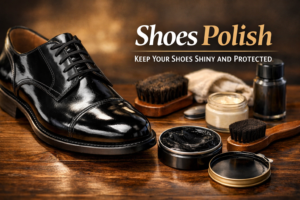
Shoe care is more than just aesthetics. Shoes polish is a key tool for maintaining, protecting, and extending the life of your footwear. Whether you own casual sneakers, leather dress shoes, or specialized footwear like heavy-duty shoes, safety shoes, and construction footwear, proper polishing ensures your shoes stay in top condition.
Many people underestimate the importance of shoe maintenance, often allowing leather or synthetic materials to deteriorate prematurely. Regular use of polish not only enhances appearance but also protects against moisture, dirt, and wear. Investing time in proper shoe care preserves both comfort and durability, making polish an essential item for every wardrobe.
This guide explores the types of polish, application techniques, benefits, and maintenance tips to help you keep your footwear looking professional and lasting longer.
Why Shoes Polish Matters
-
Protection: Creates a barrier against water, dirt, and grime.
-
Restoration: Revives faded or worn leather, restoring color and luster.
-
Durability: Extends the lifespan of shoes, including heavy-duty and construction footwear.
-
Professional Appearance: Keeps shoes looking clean and presentable for work or social events.
Types of Shoes Polish
Cream Polish: Nourishes leather, restores color, and provides a soft shine. Best for regular maintenance of leather footwear.
Wax Polish: Offers a protective layer and high-gloss finish. Ideal for formal shoes or dress boots.
Liquid Polish: Quick application for a light shine, often used for convenience or travel.
Paste Polish: Thick and durable, provides long-lasting shine and protection for heavy-duty shoes.
Neutral Polish: Colorless option suitable for mixed-color shoes or to preserve natural leather tones.
Choosing the right polish depends on your footwear type, material, and desired finish.
How to Apply Shoes Polish Correctly
-
Clean Shoes: Remove dirt and dust using a soft brush or damp cloth.
-
Apply Polish: Use a clean cloth or brush to apply a thin, even layer.
-
Allow to Dry: Let the polish absorb into the leather for a few minutes.
-
Buff to Shine: Use a soft brush or cloth to bring out a glossy finish.
-
Repeat if Necessary: For heavily worn shoes, multiple layers can improve protection and shine.
Shoes Polish for Heavy-Duty and Safety Shoes
Heavy-duty shoes, safety shoes, and construction footwear require special attention. These shoes are designed for protection and durability, often exposed to harsh conditions.
Using a suitable polish helps preserve leather surfaces, prevent rusting of metal parts like eyelets, and maintain structural integrity. Additionally, polish creates a protective barrier against moisture, dust, and grime, which is crucial for workers in industrial environments.
Leather vs. Synthetic Shoes Polish
Leather shoes benefit from nourishing creams and waxes that penetrate the material, restore color, and prevent cracking. High-quality leather polish contains natural oils and waxes for optimal care.
Synthetic shoes, while less prone to cracking, still benefit from polish to maintain appearance and reduce dirt accumulation. Choose polishes labeled safe for synthetic materials to avoid discoloration or damage.
Benefits of Regular Shoe Polishing
-
Longevity: Reduces wear and tear, extending the life of your shoes.
-
Appearance: Keeps shoes looking clean, shiny, and professional.
-
Moisture Resistance: Creates a barrier against water and humidity.
-
Odor Reduction: Cleaner shoes are less likely to retain odors.
-
Protection for Work Footwear: Essential for heavy-duty, safety, and construction footwear exposed to harsh environments.
Tips for Choosing the Right Shoes Polish
-
Match the Color: Choose polish that matches your shoe color or use a neutral option.
-
Check Material Compatibility: Ensure polish is suitable for leather, synthetic, or mixed materials.
-
Consider Purpose: Creams for daily care, wax for formal occasions, and paste for industrial footwear.
-
Look for Quality Ingredients: Natural oils and waxes provide better nourishment and protection.
-
Ease of Use: Consider brushes, applicator pads, or liquid polishes for convenience.
How Shoes Polish Enhances Footwear Comfort
Polishing leather shoes nourishes the material, keeping it soft and flexible. This reduces stiffness and prevents discomfort while walking. Heavy-duty shoes and safety footwear also benefit from treated surfaces, as maintaining structural integrity supports proper posture and foot health.
Regular polish ensures shoes retain their shape, reducing the risk of blisters or pressure points caused by worn or stiff materials.
Storing Shoes After Polishing
-
Keep shoes in a cool, dry place.
-
Use shoe trees to maintain shape.
-
Avoid stacking shoes directly on top of each other.
-
Store in dust bags or shoes bags for added protection.
-
Rotate footwear regularly to allow materials to breathe and recover.
Environmental Considerations
Modern polishes include eco-friendly options with natural ingredients. Choosing sustainable polish reduces chemical exposure and environmental impact.
Additionally, polishing extends the life of shoes, which reduces the need for frequent replacement, further contributing to environmental conservation.
Common Mistakes to Avoid
-
Applying too much polish, causing residue buildup.
-
Using the wrong type of polish for the material.
-
Polishing without cleaning shoes first.
-
Neglecting heavy-duty shoes exposed to industrial conditions.
-
Storing polished shoes improperly, leading to discoloration or deformation.
Key Benefits of Using Shoes
-
Protects shoes from dirt, moisture, and wear
-
Enhances appearance and shine
-
Extends shoe lifespan, including heavy-duty shoes
-
Supports comfort and flexibility
-
Suitable for safety shoes and construction footwear
Conclusion
Shoes is a critical tool for maintaining footwear. From casual leather shoes to heavy-duty, safety, and construction footwear, regular polish protects shoes, extends their lifespan, and keeps them looking professional.
Investing in high-quality polish and following proper techniques ensures shoes remain comfortable, durable, and visually appealing. Regular maintenance is a small effort that yields long-term benefits, making polish a staple in every shoe care routine.
(FAQs)
1. How often should I polish my shoes?
For daily wear, polishing once every 2–3 weeks is sufficient. For heavy-duty or safety shoes, polish as needed based on exposure to dirt and moisture.
2. Can I use shoes polish on synthetic shoes?
Yes, but choose polish specifically labeled for synthetic materials to avoid damage or discoloration.
3. Does polishing protect shoes from water?
Polish provides a protective barrier that reduces water absorption, but it is not fully waterproof.
4. Can I use the same polish for casual and work shoes?
Yes, but heavy-duty shoes may require stronger, durable polish for extended protection.
5. How do I remove old polish before applying new layers?
Use a soft cloth or polish remover to clean the shoe surface before applying a fresh layer of polish.