
Shoes Cleaner: A Practical Guide to Preserve Style and Shoe Life
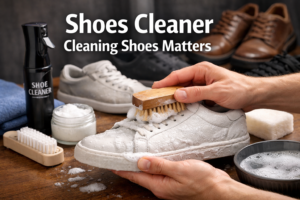
Shoes play a daily role in comfort, appearance, and self-expression. Many people invest time and money in choosing the right footwear, yet overlook regular cleaning. Dirt, dust, and moisture damage shoes faster than expected. A shoes cleaner helps prevent this damage by removing surface buildup before it affects structure and appearance. Clean shoes last longer, feel better, and remain suitable for repeated use.
Shoes contact rough surfaces every day. Roads, floors, and weather conditions expose footwear to particles that slowly weaken materials. Without proper care, shoes lose shape, color, and strength. Using a shoes cleaner supports long-term use by reducing wear caused by dirt and moisture. This simple habit protects both style and value.
This guide explains how a shoes cleaner works, why it matters, and how it fits into a simple shoe care routine. It also explains the role of shoe polish, sneaker cleaner products, and a shoe care kit in maintaining footwear condition.
Why Shoes Cleaning Supports Long-Term Use
Shoes absorb dirt and moisture during normal wear. These elements may seem harmless, but they slowly break down fibers and stitching. Dirt particles grind against materials with each step. Manaress Car Accessories Moisture weakens glue and causes odor. A shoes cleaner removes these risks before they cause lasting damage.
Clean shoes also support hygiene. Bacteria grow in damp and dirty conditions. Regular cleaning reduces odor and keeps shoes comfortable. People who clean shoes often experience fewer issues with smell and stiffness.
Visual appearance also matters. Shoes influence first impressions. Clean footwear shows attention to detail and personal care. A shoes cleaner helps maintain a neat look that fits both casual and formal settings.
Understanding What a Shoes Cleaner Does
A shoes cleaner is a product made specifically for footwear materials. It removes dirt, stains, and surface marks without harming structure. Unlike household cleaners, a shoes cleaner uses balanced formulas that protect glue, stitching, and texture.
Shoes contain several materials in one design. Leather, fabric, rubber, and foam react differently to moisture and chemicals. A shoes cleaner accounts for this mix and cleans safely. Using the wrong product often causes fading, stiffness, or surface damage.
Shoes cleaners appear in liquid, foam, spray, and wipe form. Each form serves a specific purpose. Foam stays on the surface longer and works well for fabric. Liquids reach deeper dirt when used carefully. Wipes help with quick surface cleaning.
Shoes Cleaner and Material Protection
Different shoe materials require different care. A shoes cleaner should match the shoe surface to avoid damage.
Leather shoes benefit from gentle cleaners that lift dirt without drying the surface. After cleaning, leather remains flexible and smooth. This prevents cracks and creases from forming too quickly.
Sneakers often combine fabric, mesh, and rubber. A sneaker cleaner removes stains while protecting color and structure. These cleaners help maintain brightness and prevent fabric breakdown.
Suede and nubuck require minimal moisture. Specialized shoes cleaner options remove dirt without flattening texture. Proper cleaning preserves the soft finish that defines these materials.
How Shoes Cleaner Preserves Shoe Lifespan
Shoes wear out faster when dirt remains embedded in materials. A shoes cleaner reduces this wear by removing abrasive particles. Clean surfaces experience less friction during movement.
Moisture trapped in dirt causes glue failure and stitching weakness. Cleaning allows shoes to dry fully and evenly. This supports structure and fit over time.
Shoes that remain clean also store better. Dirt attracts moisture and encourages mold growth. Clean shoes resist these problems during storage periods.
The Role of Shoe Polish in Shoe Care
Shoe polish supports surface care after cleaning. While a shoes cleaner removes dirt, shoe polish restores color and adds surface protection. Polish works mainly on leather shoes.
Polish fills small surface marks and smooths texture. This improves appearance and helps leather resist moisture. Polish also slows color fading caused by exposure and wear.
Shoe polish should always follow cleaning. Applying polish on dirty shoes traps particles and reduces results. Clean surfaces accept polish evenly and maintain a natural finish.
Why a Shoe Care Kit Simplifies Maintenance
A shoe care kit brings cleaning tools together in one place. It helps maintain consistency in care habits. People often neglect cleaning because tools feel scattered or unclear.
A typical shoe care kit includes a shoes cleaner, shoe polish, brushes, and cloths. These items support each step of care, from dirt removal to surface finish.
Using a kit reduces guesswork. Each tool serves a clear purpose, which prevents misuse. This supports long-term shoe health and reduces accidental damage.
How Often Shoes Should Be Cleaned
Cleaning frequency depends on wear conditions. Shoes worn daily collect dirt faster than occasional pairs. Urban environments expose shoes to more dust and moisture.
Casual sneakers often need cleaning every one to two weeks. Work shoes benefit from weekly surface cleaning. Formal shoes may need cleaning after several wears, depending on exposure.
Spot cleaning helps between full cleans. Removing dust early prevents stains from setting and reduces deep cleaning needs. Over-cleaning should be avoided. Excess moisture weakens materials. A balanced routine protects shoes without stress.
Proper Method for Using a Shoes Cleaner
Cleaning shoes follows a simple process that prevents damage. First, loose dirt should be removed using a soft brush or dry cloth. This step stops dirt from spreading during cleaning.
Next, a small amount of shoes cleaner should be applied to the surface. Gentle motion lifts dirt without forcing it deeper. Hard scrubbing damages fibers and stitching.
After cleaning, the surface should be wiped with a clean cloth. Shoes should air dry naturally away from direct heat. Heat causes shrinking and cracking.
Caring for Sneakers with a Sneaker Cleaner
Sneakers face heavy use and frequent exposure. Fabric absorbs stains quickly. A sneaker cleaner helps manage this wear. Cleaning sneakers regularly keeps fabric bright and rubber soles clean. Removing laces before cleaning helps reach hidden dirt areas. Insoles should also be cleaned if odor appears.
Sneaker cleaners designed for fabric prevent color bleeding and texture loss. This supports long-term comfort and appearance.
Common Shoe Cleaning Errors to Avoid
Many shoes suffer damage due to incorrect cleaning methods. Using strong household cleaners strips protective layers and dries surfaces. Scrubbing too hard tears fabric and loosens stitching.
Drying shoes near heaters or sunlight causes cracking and misshaping. Applying shoe polish without cleaning traps dirt and reduces polish effect.
Storing Shoes After Cleaning
Storage affects shoe lifespan. Clean shoes store better than dirty ones. Dirt attracts moisture and causes odor during storage. Shoes should be stored in a dry place with airflow. Using shoe trees helps maintain shape.
Shoes Cleaner and Personal Style
Shoes influence how outfits appear. Clean shoes complete a look and reflect care. Dirty shoes distract and reduce overall presentation.
A shoes cleaner keeps footwear ready for social, work, and casual settings. Clean shoes communicate attention to detail and confidence.
Shoe Care During Travel
Travel exposes shoes to dust and moisture. Portable shoes cleaner options help manage quick stains. Wipes and small sprays handle surface dirt during trips.
Cleaning shoes during travel prevents stains from setting and keeps shoes usable for the entire journey. Carrying a cloth for dust removal supports easy maintenance.
Choosing the Right Shoes Cleaner
The right shoes cleaner depends on shoe material and usage. Reading labels helps avoid damage. Products made for footwear protect materials better than general cleaners.
People with multiple shoe types benefit from flexible cleaning options. A shoe care kit often provides this variety.
Environmental Impact of Shoe Care
Using a shoes cleaner supports responsible consumption. Shoes last longer, which reduces waste. Fewer replacements lower resource use.
Early Signs That Shoes Need Cleaning
Shoes show early signs of dirt buildup. Visible dust, dull color, stiffness, and odor indicate the need for cleaning. Addressing these signs early prevents deeper damage.
Shoes Cleaner for Different Lifestyles
Office shoes benefit from weekly care to maintain a neat look. Casual shoes need frequent surface cleaning due to daily exposure. Outdoor shoes require cleaning after heavy use to remove dirt and moisture.
Building a Simple Shoe Care Routine
A basic routine supports consistent care. Brushing shoes after wear removes loose dirt. Weekly cleaning prevents buildup. Monthly polish supports leather health. Proper storage maintains shape.
Conclusion
A shoes cleaner protects footwear from daily damage. It removes dirt that weakens materials and keeps shoes presentable. Clean shoes last longer, feel better, and remain suitable for repeated wear.
Using a shoes cleaner alongside shoe polish and a shoe care kit creates a complete care approach. This approach supports structure, appearance, and hygiene.
Shoe care does not require effort or complexity. With simple habits and the right products, shoes stay clean and durable. Caring for shoes protects style and investment over time.